Egypt is one of the world’s most extraordinary travel destinations, attracting millions of visitors each year with its ancient monuments, breathtaking deserts, vibrant marine life, and rich cultural heritage. While tourism plays a vital role in Egypt’s economy, responsible travel has become increasingly important to protect the country’s natural environments, preserve its historical treasures, and support local communities.
Whether you’re snorkeling in the Red Sea, exploring the Pyramids of Giza, visiting traditional Bedouin villages, or cruising along the Nile, your travel choices can make a positive impact. Sustainable tourism helps ensure that Egypt’s incredible landscapes and cultural heritage remain intact for future generations while providing meaningful benefits to the people who call this country home.
In this comprehensive SEO guide, you’ll learn practical ways to travel responsibly in Egypt, reduce your environmental footprint, respect local customs, and support local businesses. You’ll also discover how Best Tours Hurghada promotes responsible tourism through professionally organized excursions that prioritize safety, environmental awareness, and authentic local experiences.
What Is Responsible Tourism?
Responsible tourism means making travel decisions that benefit the environment, local communities, and cultural heritage while minimizing negative impacts.
The main principles include:
- Protecting natural environments
- Respecting local traditions and customs
- Supporting local businesses
- Reducing waste and pollution
- Conserving wildlife and ecosystems
- Encouraging sustainable economic development
Every traveler can contribute by making thoughtful choices throughout their journey.
Why Sustainable Tourism Matters in Egypt
Tourism is one of Egypt’s most important industries, providing jobs and income for millions of people.
Responsible tourism helps:
- Preserve ancient archaeological sites
- Protect fragile coral reefs
- Support local families and small businesses
- Encourage cultural preservation
- Reduce environmental pollution
- Promote long-term economic growth
By traveling responsibly, visitors help ensure that Egypt remains a remarkable destination for generations to come.
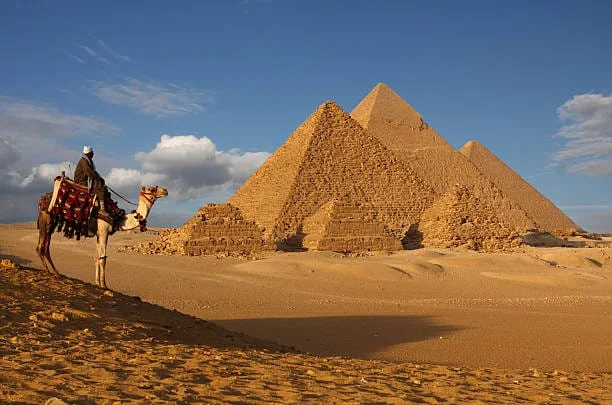
Protect Egypt’s Ancient Heritage
Egypt’s historical sites are among the most valuable cultural treasures in the world.
Popular landmarks include:
- The Pyramids of Giza
- The Great Sphinx
- Luxor Temple
- Karnak Temple
- Abu Simbel
- The Valley of the Kings
When visiting these sites:
- Stay on designated paths.
- Never climb on monuments unless expressly permitted.
- Avoid touching ancient carvings and wall paintings.
- Follow instructions from site staff.
- Dispose of litter properly.
These simple actions help preserve monuments that have stood for thousands of years.
Protect the Red Sea’s Marine Ecosystem
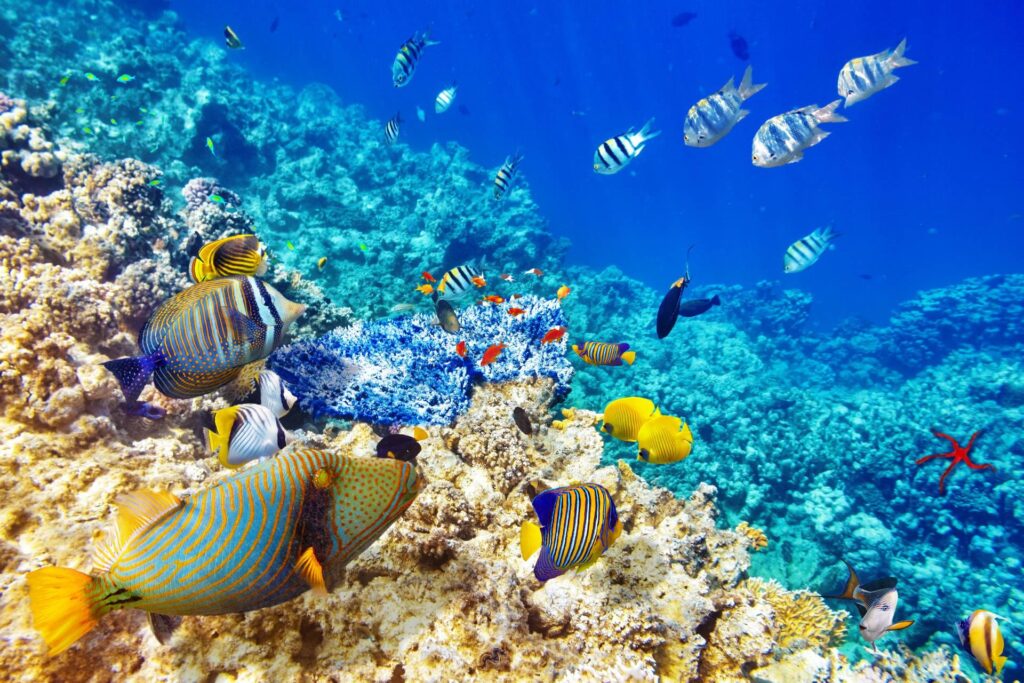
The Red Sea is home to one of the world’s richest marine ecosystems.
Visitors can discover:
- Colorful coral reefs
- Sea turtles
- Dolphins
- Rays
- Tropical fish
- Seagrass meadows
However, coral reefs are fragile and can be damaged by careless behavior.
Responsible snorkeling and diving
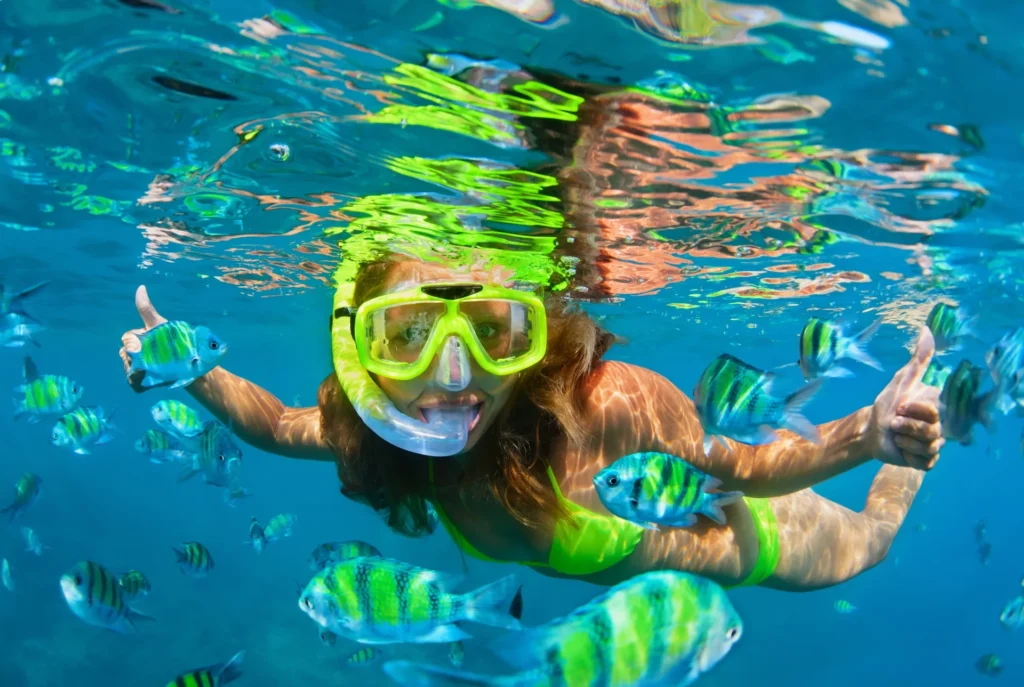
Always remember to:
- Never touch or stand on coral.
- Keep a safe distance from marine animals.
- Avoid feeding fish or other wildlife.
- Maintain good buoyancy while diving.
- Use reef-safe sunscreen whenever possible.
Healthy coral reefs support marine biodiversity and local livelihoods.
Reduce Plastic Waste
Plastic pollution is one of the biggest environmental challenges worldwide.
Travelers can reduce waste by:
- Carrying a reusable water bottle where safe refill options are available.
- Bringing reusable shopping bags.
- Avoiding single-use plastic cutlery and straws.
- Choosing refillable toiletry containers.
- Disposing of waste responsibly.
Small changes can significantly reduce the amount of plastic entering the environment.
Respect Wildlife
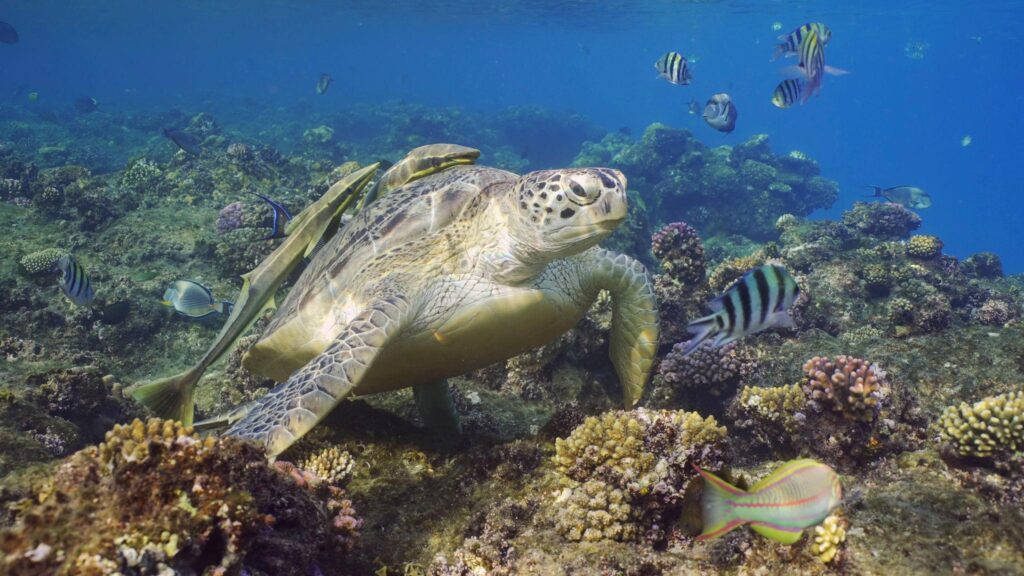
Egypt offers amazing opportunities to observe wildlife.
Popular experiences include:
- Dolphin watching
- Sea turtle encounters
- Birdwatching
- Desert wildlife excursions
Responsible wildlife tourism means:
- Observing animals from a respectful distance.
- Never chasing or surrounding dolphins.
- Avoiding flash photography when it may disturb wildlife.
- Following your guide’s instructions at all times.
Wild animals should always remain wild.
Support Local Communities
One of the best ways to practice responsible tourism is by supporting local businesses.
Consider:
- Eating at locally owned restaurants.
- Shopping for handmade crafts.
- Hiring licensed local guides.
- Staying in locally operated accommodations where possible.
- Booking excursions through reputable local companies.
This helps keep tourism income within local communities.
Respect Egyptian Culture
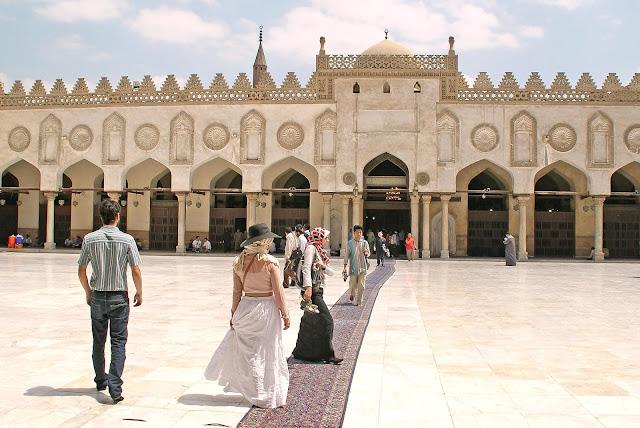
Egypt has a rich cultural and religious heritage.
Travelers should:
- Dress modestly when visiting religious sites.
- Ask permission before photographing people.
- Learn a few basic Arabic greetings.
- Be respectful during religious holidays.
- Follow local customs and traditions.
Showing cultural respect creates positive interactions between visitors and residents.
Travel Responsibly in the Desert
Egypt’s deserts are among its most spectacular natural attractions.
When joining desert excursions:
- Stay on established routes.
- Avoid disturbing wildlife.
- Never leave rubbish behind.
- Respect Bedouin communities.
- Follow safety instructions carefully.
Protecting these fragile environments ensures they remain beautiful for future visitors.
Choose Eco-Conscious Tour Operators
Selecting responsible tour companies makes a significant difference.
Look for operators that:
- Employ local guides.
- Respect environmental regulations.
- Promote sustainable tourism practices.
- Provide accurate cultural information.
- Follow wildlife protection guidelines.
Choosing responsible operators encourages higher sustainability standards across the tourism industry.
Sustainable Boat Trips
Boat excursions are among Egypt’s most popular activities.
Responsible practices include:
- Proper waste disposal onboard.
- Anchoring away from coral reefs where appropriate.
- Following marine park regulations.
- Avoiding overcrowding at snorkeling sites.
Responsible boating helps preserve marine habitats.
Reduce Your Carbon Footprint
While travel inevitably has environmental impacts, you can reduce your footprint by:
- Walking whenever practical.
- Sharing transportation during excursions.
- Booking organized group tours.
- Carrying reusable travel items.
- Conserving water and electricity in hotels.
Every small action contributes to more sustainable tourism.
Buy Authentic Local Products
Shopping locally benefits artisans and preserves traditional craftsmanship.
Popular handmade souvenirs include:
- Alabaster carvings
- Handwoven textiles
- Traditional jewelry
- Papyrus artwork
- Spices
- Handmade pottery
Buying directly from local artisans helps support traditional skills and family businesses.
Responsible Photography
Photography is an important part of travel, but it should always be respectful.
Remember to:
- Ask permission before photographing individuals.
- Respect photography restrictions at historical sites.
- Avoid disturbing wildlife for photos.
- Stay on designated paths for the perfect shot.
Responsible photography protects both people and places.
Why Choose Best Tours Hurghada?
Responsible tourism begins with choosing experienced and ethical local operators.
Best Tours Hurghada offers professionally organized excursions that combine unforgettable experiences with respect for Egypt’s environment and cultural heritage.
Their tours include:
- Snorkeling trips that promote coral reef conservation
- Desert safaris with respect for local Bedouin traditions
- Island excursions focused on responsible marine tourism
- Historical tours led by knowledgeable local guides
- Family-friendly adventures with environmental awareness
By working with experienced local professionals, travelers can enjoy authentic experiences while supporting Egypt’s tourism economy responsibly.
Practical Tips for Responsible Travelers
Before your trip, remember these simple guidelines:
- Carry reusable travel items.
- Stay hydrated while minimizing plastic waste.
- Respect local customs and traditions.
- Choose environmentally responsible activities.
- Support locally owned businesses.
- Protect wildlife and coral reefs.
- Leave every destination cleaner than you found it.
Frequently Asked Questions
What is sustainable tourism?
Sustainable tourism aims to minimize environmental impacts while supporting local communities, preserving cultural heritage, and creating positive experiences for both visitors and residents.
Why is responsible tourism important in Egypt?
It helps protect ancient monuments, conserve fragile ecosystems such as the Red Sea, and ensure that tourism benefits local communities.
Can tourists help protect coral reefs?
Yes. Avoid touching coral, use reef-safe sunscreen when possible, do not feed marine animals, and follow responsible snorkeling and diving practices.
How can I support local communities?
Choose locally owned restaurants, shops, guides, and tour operators whenever possible, and purchase authentic handmade products.
Is responsible travel more expensive?
Not necessarily. Many sustainable choices—such as reducing waste, respecting local culture, and supporting local businesses—cost little or nothing while creating a more meaningful travel experience.
Conclusion
Traveling responsibly in Egypt is one of the best ways to experience the country’s incredible history, natural beauty, and vibrant culture while making a positive contribution. From protecting the Red Sea’s world-famous coral reefs to supporting local artisans and respecting ancient monuments, every responsible decision helps preserve Egypt for future generations.
By choosing environmentally conscious practices and booking excursions with trusted local operators like Best Tours Hurghada, you can enjoy unforgettable adventures while helping protect the landscapes, communities, and cultural treasures that make Egypt one of the world’s most remarkable travel destinations.