The Grand Egyptian Museum, often called the GEM, is one of the most anticipated cultural attractions in Egypt. Located near the Giza Plateau, the museum offers travelers an extraordinary opportunity to explore thousands of years of Egyptian history in one remarkable setting.
For visitors who dream of seeing ancient Egyptian treasures, monumental statues, royal artifacts and objects connected with the pharaohs, the Grand Egyptian Museum represents a new chapter in the way Egypt presents its archaeological heritage.
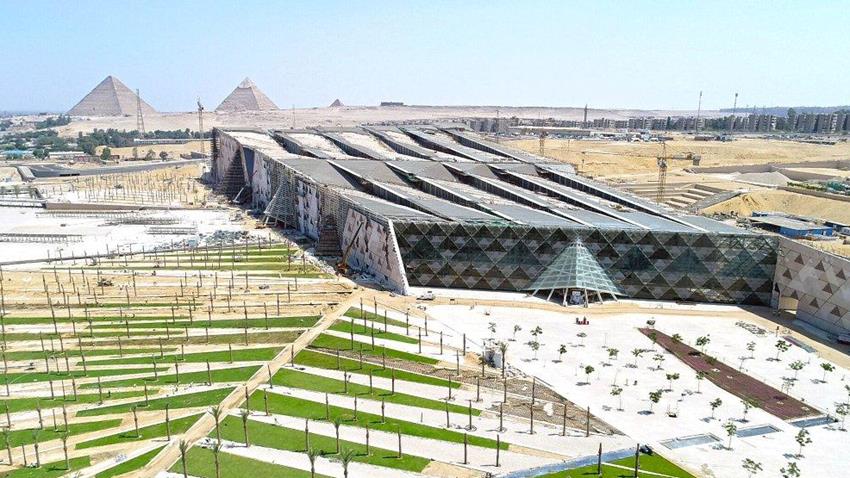
The museum is not simply another collection of ancient objects behind glass. Its scale, architecture, location and approach to displaying Egyptian antiquities are all part of the experience. The building itself creates a connection between the modern world and the ancient landscape of Giza.
A visit to the Grand Egyptian Museum in Cairo can therefore complement a trip to the pyramids, the Sphinx, the temples of Giza and other historical attractions.
For travelers staying in Hurghada, the museum can also become part of a wider Egypt itinerary. With organized travel and carefully planned excursions, it is possible to combine the beaches and Red Sea experiences of Hurghada with the ancient history of Cairo and Giza. Companies such as Best Tours Hurghada can be considered by travelers looking to organize excursions and connect their Red Sea holiday with Egypt’s major cultural attractions.
But what makes the Grand Egyptian Museum so special?
To understand its importance, it is useful to look at its collections, architecture, history and the ancient civilization it represents.
What Is the Grand Egyptian Museum?
The Grand Egyptian Museum is a major archaeological museum located near the Giza Plateau, close to the famous pyramids.
Its purpose is to provide a large-scale home for Egyptian antiquities and to present ancient Egyptian civilization in a modern museum environment.
The museum was designed to accommodate a vast collection of artifacts and to create a more comprehensive visitor experience than a traditional display of isolated objects.
Its location is particularly significant.
Few places in the world offer such a powerful relationship between a modern museum and an ancient archaeological landscape.
From the museum area, visitors are close to the pyramids of Giza, allowing them to connect objects inside the museum with the monumental structures that still dominate the surrounding landscape.
This relationship between museum, archaeology and landscape is one of the major reasons the Grand Egyptian Museum has attracted international attention.
Why Is the Grand Egyptian Museum Important?
Egypt has one of the world’s most recognizable archaeological heritages.
For generations, museums around the world have displayed Egyptian statues, jewelry, coffins, papyri and other objects.
However, Egypt itself contains an enormous archaeological record.
The Grand Egyptian Museum provides a major national institution dedicated to presenting that heritage in a large and modern environment.
The museum helps visitors understand that ancient Egypt was not only about pyramids and mummies.
It was a complex civilization with:
- kings and queens,
- priests,
- craftsmen,
- farmers,
- administrators,
- soldiers,
- architects,
- artists,
- scribes,
- merchants and
- ordinary families.
The objects displayed in a museum can reveal aspects of all these lives.
A small piece of jewelry may tell us about craftsmanship.
A written document may reveal administration.
A statue may show religious beliefs or royal power.
A tool can provide information about everyday work.
A coffin can reveal beliefs about death and the afterlife.
Together, these objects create a much richer picture of ancient Egyptian civilization.
The Location Near the Pyramids of Giza
One of the most exciting aspects of the Grand Egyptian Museum is its location.
The museum stands close to the Giza Plateau, home to the Great Pyramid, the Pyramid of Khafre and the Pyramid of Menkaure.
This creates a natural connection between the museum and one of the world’s most famous archaeological landscapes.
Visitors can spend part of their day inside the museum learning about ancient Egypt and then continue to the pyramids themselves.
The experience becomes more meaningful because the monumental architecture is no longer simply an isolated attraction.
The museum provides context.
The pyramids then provide a direct encounter with the ancient landscape.
This makes combining a Grand Egyptian Museum and Giza Pyramids tour particularly appealing.
The Architecture of the Grand Egyptian Museum
The museum building itself is an important part of the visitor experience.
Its modern architectural design was created to complement the surrounding landscape rather than imitate an ancient Egyptian temple.
Large geometric forms, expansive spaces and extensive use of natural light create a contemporary environment for the archaeological collections.
The design allows visitors to move through large public spaces while maintaining visual connections with the Giza landscape.
One of the most memorable features is the Grand Hall, where monumental ancient Egyptian objects create an immediate impression of scale.
The architecture creates an interesting contrast:
modern building + ancient artifacts + prehistoric landscape + famous pyramids.
This combination gives the museum a character that differs from many traditional archaeological museums.
The Grand Hall and Monumental Treasures
One of the first things visitors notice is the scale of some of the objects.
Ancient Egyptian artists and craftsmen produced monumental statues that were designed to communicate power, authority and religious significance.
Large statues can be difficult to appreciate when seen only in photographs.
Standing near a colossal ancient statue provides a completely different sense of scale.
Visitors can observe the craftsmanship, proportions, inscriptions and details directly.
Some statues are several meters high, demonstrating the extraordinary ability of ancient Egyptian builders and sculptors to work with enormous quantities of stone.
The Grand Hall provides an appropriate setting for such objects because the architecture allows visitors to experience them without the cramped feeling that can occur in smaller galleries.
Ancient Egyptian Collections
The Grand Egyptian Museum houses an extensive range of artifacts connected with ancient Egyptian civilization.
The collections cover different periods and aspects of Egyptian history.
Visitors can encounter objects connected with:
- royal life,
- religion,
- funerary traditions,
- daily life,
- writing,
- art,
- architecture,
- craftsmanship,
- military history,
- administration and
- personal possessions.
This variety is important because it allows visitors to move beyond the idea that ancient Egypt was simply a civilization of pharaohs.
The civilization existed for thousands of years, and its society changed over time.
The museum’s collections help illustrate these developments.
The Treasures of Tutankhamun
One of the most famous themes associated with the Grand Egyptian Museum is the collection of Tutankhamun.
Tutankhamun became one of the most recognizable pharaohs in modern popular culture after the discovery of his largely intact tomb in the Valley of the Kings in 1922.
The treasures associated with the young king are among the most famous archaeological objects ever discovered.
They include extraordinary examples of ancient Egyptian craftsmanship.
Gold, jewelry, furniture, ceremonial objects and funerary equipment demonstrate the wealth and artistic sophistication of the royal court.
The significance of the Tutankhamun collection goes beyond the value of gold.
The objects provide information about:
- royal symbolism,
- craftsmanship,
- religion,
- funerary beliefs,
- clothing,
- furniture,
- military equipment,
- personal possessions and
- ancient artistic traditions.
For many international visitors, seeing Tutankhamun-related treasures is one of the major reasons to include the Grand Egyptian Museum in an Egypt itinerary.
Why Tutankhamun Became So Famous
Tutankhamun was not necessarily the most powerful or influential pharaoh of ancient Egypt.
His modern fame comes largely from the extraordinary archaeological discovery of his tomb.
The tomb contained a remarkable collection of funerary objects.
Because the burial had escaped major disturbance for so long, archaeologists were able to study an unusually rich group of objects associated with a royal burial.
The discovery generated worldwide fascination.
Today, Tutankhamun represents one of the strongest connections between modern audiences and ancient Egypt.
A visit to the museum provides an opportunity to understand the objects not simply as beautiful treasures but as parts of a much larger cultural and religious system.
Beyond Gold: What Ancient Egyptian Treasures Tell Us
It is easy to focus on gold when discussing ancient Egyptian treasures.
However, many of the most interesting objects are not necessarily made from precious materials.
Everyday objects can reveal how people lived.
Tools can tell us about occupations.
Pottery can provide clues about food and storage.
Furniture can reveal aspects of domestic and elite life.
Writing can show how administrators organized society.
Religious objects can reveal beliefs about gods and the afterlife.
Clothing and jewelry can tell us about status and personal identity.
This is why a comprehensive museum collection is so valuable.
Ancient Egypt becomes more than a story about kings.
It becomes a story about an entire society.
Ancient Egyptian Religion
Religion was deeply connected with everyday life in ancient Egypt.
The Egyptians worshipped numerous deities, each associated with different aspects of existence.
Gods and goddesses were represented in human, animal and combined forms.
Museum collections contain statues, amulets, ritual objects and other artifacts that help visitors understand this religious world.
Among the best-known deities are:
- Ra,
- Osiris,
- Isis,
- Horus,
- Anubis,
- Hathor and
- Amun.
These figures appear repeatedly in ancient Egyptian art.
Understanding the symbolism makes museum visits much more interesting.
A statue is no longer simply a stone figure.
It can become evidence of religious beliefs, political authority and cultural traditions.
Ancient Egyptian Writing and Hieroglyphs
Hieroglyphs are among the most recognizable features of ancient Egyptian culture.
The writing system used symbols representing sounds, words and concepts.
Hieroglyphic inscriptions appear on temples, tombs, statues, coffins and other objects.
For modern visitors, these inscriptions can seem mysterious.
However, they were an important part of Egyptian administration, religion and communication.
The museum environment can help visitors appreciate the importance of writing within ancient society.
Scribes played an important role because literacy was specialized.
Written records helped organize administration, taxation, religious activities and royal projects.
Everyday Life in Ancient Egypt
A major strength of a large archaeological collection is the opportunity to look beyond monuments.
Ancient Egyptians were not constantly building pyramids or participating in royal ceremonies.
Most people lived ordinary lives.
They worked, raised children, prepared food, traded goods and practiced crafts.
Artifacts connected with everyday life can make this reality more visible.
Visitors may become particularly interested in objects that seem simple because they create a personal connection with people who lived thousands of years ago.
A bowl, tool or piece of jewelry can sometimes feel more relatable than a gigantic statue.
Together, these objects help build a human picture of ancient Egypt.
Ancient Egyptian Art and Craftsmanship
Egyptian art is famous for its distinctive style.
Figures were often represented according to established artistic conventions.
Colors, proportions, poses and symbols carried meaning.
Craftsmanship could be extraordinarily detailed.
Jewelry makers worked with gold and precious stones.
Stone carvers produced statues and reliefs.
Woodworkers created furniture and ceremonial objects.
Artists decorated coffins and walls with carefully arranged images and texts.
The museum provides an opportunity to observe these details closely.
Visitors should take time to look beyond the overall appearance of an object.
Small details can reveal enormous amounts about the skills and beliefs of ancient craftsmen.
The Museum and the Pyramids – Two Sides of the Same Story
A visit to the Grand Egyptian Museum becomes even more powerful when combined with the pyramids.
The pyramids are monumental.
The museum collections are personal and detailed.
At Giza, visitors see the enormous scale of ancient construction.
Inside the museum, they can examine the objects, tools, artwork and cultural traditions that provide context for the civilization responsible for these achievements.
This creates a natural sequence:
Museum → understanding → pyramids → direct experience.
Alternatively, visitors can visit the pyramids first and then use the museum to deepen their understanding.
Both approaches can work.
Why Travelers Should Visit the Grand Egyptian Museum
There are many reasons to include the museum in an Egypt itinerary.
1. It brings ancient history together
Instead of visiting isolated archaeological objects, travelers can explore a much broader collection in one place.
2. It offers monumental architecture
The museum building itself is impressive.
3. It is close to Giza
Visitors can combine the museum with the pyramids.
4. It provides historical context
Artifacts help explain the civilization behind the monuments.
5. It is suitable for different interests
History lovers, photographers, families and first-time visitors can all find something engaging.
6. It offers a different experience from outdoor sightseeing
After spending time in the Egyptian sun, an indoor museum can provide a more relaxed cultural experience.
Grand Egyptian Museum for First-Time Visitors
First-time visitors sometimes make the mistake of trying to see everything as quickly as possible.
A large museum rewards a slower approach.
Instead of attempting to memorize every object, choose several themes.
For example:
Theme 1: Pharaohs
Focus on royal statues, symbols and royal possessions.
Theme 2: Daily life
Look for tools, furniture, jewelry and domestic objects.
Theme 3: Religion
Pay attention to gods, funerary objects and ritual symbolism.
Theme 4: Tutankhamun
Explore the treasures associated with the young king.
This approach can make the visit easier to follow.
Grand Egyptian Museum for Families
The museum can also be an educational experience for children.
Ancient Egyptian history is naturally engaging because it includes:
- pyramids,
- kings and queens,
- mysterious tombs,
- hieroglyphs,
- mummies,
- giant statues,
- gold treasures and
- ancient myths.
Parents can turn the visit into a discovery game.
For example, children can look for animal representations, different hieroglyphic symbols or statues of ancient Egyptian gods.
Instead of presenting the museum as a history lesson, families can encourage children to ask questions.
Why were the pyramids built?
Why did Egyptians make statues?
What did people believe happened after death?
How did ancient craftsmen create such detailed objects?
These questions make the experience more interactive.
Photography at the Grand Egyptian Museum
The museum can provide excellent opportunities for photography, subject to its current photography rules.
Large statues are especially impressive because they allow photographers to experiment with scale.
Architectural photography can also be interesting.
The combination of modern geometric architecture and ancient artifacts creates strong visual contrasts.
However, visitors should always follow museum regulations concerning photography, flash and specific exhibits.
A photograph should never become more important than protecting an ancient object.
How Long Should You Spend at the Museum?
The amount of time required depends on the visitor.
Someone with a strong interest in archaeology may want to spend several hours exploring the collections.
A traveler with a packed itinerary may prefer a shorter visit combined with the pyramids.
There is no single perfect duration.
The key is to avoid rushing.
The Grand Egyptian Museum represents thousands of years of history. It is impossible to understand everything during one visit.
Instead, focus on the objects and themes that interest you most.
Combining the Museum With a Cairo and Giza Tour
The Grand Egyptian Museum works especially well as part of a wider cultural itinerary.
A typical day might include:
- Grand Egyptian Museum
- Giza Plateau
- Great Pyramid
- Sphinx area
- Lunch
- Return to accommodation
The exact order depends on the tour provider and current access arrangements.
Travelers should also consider traffic and travel times when planning a Cairo excursion.
Cairo is a large and busy city, so realistic scheduling is important.
Visiting the Grand Egyptian Museum From Hurghada
For travelers staying in Hurghada, visiting Cairo requires a longer journey than a local Red Sea excursion.
However, travelers who want to experience more than beaches may find the journey worthwhile.
A Cairo and Giza excursion can add an entirely different dimension to a Red Sea holiday.
Instead of spending the entire vacation on the coast, travelers can combine:
Hurghada + Red Sea + desert + Cairo + Giza + ancient Egyptian history.
This type of itinerary allows visitors to experience several sides of Egypt during one trip.
Travel companies such as Best Tours Hurghada can be useful for travelers researching organized excursions from Hurghada to major Egyptian attractions.
Before booking, it is sensible to check the exact itinerary, transportation arrangements, included services and expected schedule.
Practical Tips for Visiting the Grand Egyptian Museum
A little preparation can improve the experience.
Check current visitor information
Opening arrangements, access rules, ticketing and available exhibitions can change. Always confirm the current details before traveling.
Wear comfortable clothing
You may spend several hours walking through large spaces.
Comfortable footwear is especially useful.
Bring water
Staying hydrated is important in Egypt, especially when the museum visit is combined with outdoor sightseeing.
Plan the rest of your day
If you are visiting Giza afterward, allow enough time for transportation and sightseeing.
Learn a little beforehand
Even a basic introduction to Egyptian history can make the artifacts much easier to understand.
Do not rush
Choose a few collections or themes and enjoy them properly.
Grand Egyptian Museum and the Meaning of Ancient Egyptian Heritage
The museum is important not only because of the objects it contains.
It also represents the continued importance of Egyptian heritage.
Ancient Egyptian civilization continues to influence art, architecture, archaeology, popular culture and tourism around the world.
Yet the objects themselves are more than famous symbols.
They are archaeological evidence.
They tell stories about how people organized society, practiced religion, created art and understood death.
A modern museum provides a way to preserve these objects while helping visitors understand their original context.
That is what makes the Grand Egyptian Museum more than a tourist attraction.
It is a place where the past can be studied, interpreted and experienced.
The Grand Egyptian Museum as Part of a Complete Egypt Experience
One of the biggest advantages of visiting Egypt is the possibility of combining completely different experiences.
A traveler might begin the holiday with a relaxing day on the Red Sea.
The next day could involve snorkeling above coral reefs.
Another day might be spent on a desert safari.
Then comes a journey into Egypt’s ancient past at the Grand Egyptian Museum and the pyramids.
This creates a much richer holiday than simply visiting one type of attraction.
The museum therefore works particularly well as part of a broader itinerary.
It connects modern Cairo with ancient Giza, while the Red Sea resorts provide a contrasting natural environment.
Frequently Asked Questions About the Grand Egyptian Museum
What is the Grand Egyptian Museum?
The Grand Egyptian Museum is a major archaeological museum near the Giza Plateau dedicated to ancient Egyptian heritage and archaeological collections.
Where is the Grand Egyptian Museum located?
It is located near the Giza Plateau, close to the famous pyramids.
What can you see at the museum?
Visitors can explore a wide range of ancient Egyptian artifacts, including monumental statues and collections associated with royal life, religion, daily life, craftsmanship and funerary traditions.
Is Tutankhamun’s collection at the Grand Egyptian Museum?
The museum is strongly associated with the presentation of the treasures of Tutankhamun, making the collection one of the major attractions for visitors interested in ancient Egyptian royalty.
Can I visit the museum and pyramids on the same day?
Yes, they are located near one another and can be combined in an organized itinerary, although visitors should allow sufficient time for both experiences.
Can I visit the Grand Egyptian Museum from Hurghada?
Yes. Travelers staying in Hurghada can plan an organized trip to Cairo and Giza. Because the journey is long, it is important to check the transportation and schedule before booking.
Is the museum suitable for children?
Yes. The monumental statues, ancient stories, hieroglyphs and royal treasures can make ancient history especially engaging for younger visitors.
How much time should I spend there?
It depends on your interests and itinerary. Travelers who love archaeology may want several hours, while others may combine a shorter museum visit with the Giza Plateau.
Final Thoughts – Why the Grand Egyptian Museum Belongs on Your Egypt Itinerary
The Grand Egyptian Museum offers a new way to experience one of the world’s most fascinating civilizations.
Its importance comes from more than the number of artifacts inside its galleries.
The museum brings together history, archaeology, architecture and landscape in a location close to the pyramids of Giza.
Inside, visitors can discover monumental statues, ancient artwork, religious objects, everyday items, royal treasures and objects connected with famous pharaohs such as Tutankhamun.
More importantly, these collections help tell a human story.
Ancient Egypt was not only a civilization of enormous pyramids and powerful kings. It was a society made up of millions of people who worked, created, worshipped, traded, raised families and developed extraordinary artistic and technological traditions.
The museum allows modern travelers to explore these stories through objects that survived thousands of years.
For anyone interested in Egyptian history, ancient Egyptian treasures, archaeology, pharaohs, pyramids and cultural tourism, the Grand Egyptian Museum deserves a place on the itinerary.
And for travelers staying in Hurghada, the museum offers an opportunity to move beyond the Red Sea and discover another side of Egypt. After enjoying beaches, snorkeling and desert adventures, a journey to Cairo and Giza can reveal the historical foundations of the country.
With careful planning and the right excursion arrangements, a trip organized through providers such as Best Tours Hurghada can combine the relaxing atmosphere of the Red Sea with one of the world’s most remarkable archaeological experiences.
Ultimately, the Grand Egyptian Museum is not simply a place where ancient objects are displayed.
It is a bridge between past and present.
It allows travelers to stand before treasures created thousands of years ago, learn about the people who created them and then step outside to see the monumental landscape that made ancient Egypt one of the most fascinating civilizations in human history.
For travelers who want to understand Egypt beyond the beaches, the Grand Egyptian Museum offers an unforgettable journey into the heart of the country’s ancient heritage.