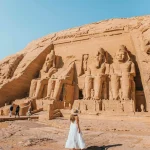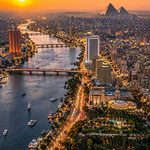
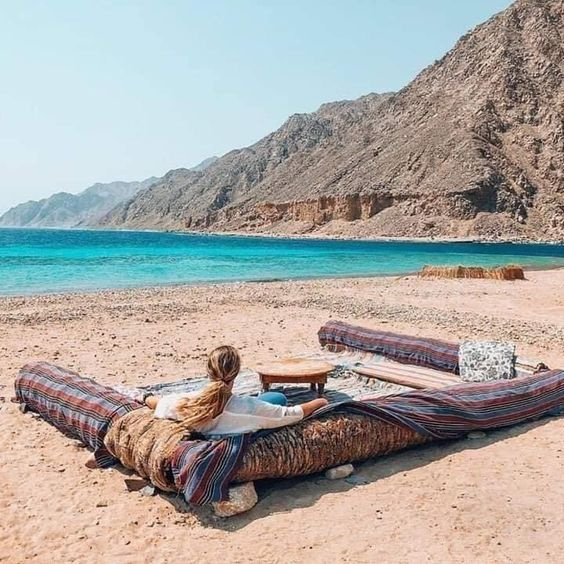
Egypt is one of those destinations where a single holiday can feel like several journeys combined. In the morning, you can swim above colorful coral reefs in the Red Sea. A few hours later, you can cross a vast desert landscape by jeep or quad bike. On another day, you can stand in front of an ancient temple or look across the Giza Plateau toward monuments that have fascinated travelers for thousands of years.
This remarkable variety is one of Egypt’s greatest attractions. The country is not defined by its beaches, deserts, or ancient monuments alone. Instead, these different landscapes and experiences come together to create a travel experience that can be both relaxing and adventurous, cultural and scenic.
For many visitors, Hurghada is the perfect starting point. Located on the Red Sea coast, the city offers easy access to beaches, coral reefs, islands, desert landscapes, and organized excursions. From Hurghada, travelers can also plan longer journeys to Luxor or Cairo, making it possible to combine a seaside holiday with unforgettable historical discoveries.
Whether you are interested in snorkeling, desert safaris, ancient temples, pyramids, local culture, or simply seeing different sides of Egypt, this combination offers much more than a traditional beach vacation.
Why Egypt Is More Than a Beach Destination
When people imagine Egypt, they often picture the pyramids first. Others immediately think about sunny beaches and the turquoise waters of the Red Sea. Both images are correct, but neither tells the complete story.
Egypt has an unusually diverse travel landscape. Its geography creates a natural contrast between the sea, the desert, the Nile Valley, and its historic cities.
The Red Sea provides opportunities for swimming, snorkeling, diving, boat trips, and island excursions. Beyond the coastal resorts, the Eastern Desert stretches toward the mountains and offers a completely different atmosphere. Farther inland, the Nile Valley reveals another side of the country, filled with temples, archaeological sites, agricultural landscapes, and historic towns.
This means travelers can change their surroundings dramatically within a short period of time.
You might begin your holiday beside the sea, spend an evening watching the sunset over the desert, and then devote the following day to exploring ancient Egyptian architecture. The contrast makes the journey particularly memorable because every excursion feels different from the previous one.
The Red Sea: Egypt’s Underwater World
For travelers who enjoy the sea, the Red Sea is one of Egypt’s biggest attractions. Its clear water, colorful reefs, marine life, and warm climate make the coast particularly appealing to visitors looking for both relaxation and outdoor activities.
Hurghada is one of the best-known bases for exploring this marine environment. The city has developed into an important tourism destination, but the natural attractions surrounding it remain a major reason why people visit.
Snorkeling Above Coral Reefs
Snorkeling is one of the easiest ways to discover the underwater world without needing advanced diving experience.
With a mask and snorkel, travelers can observe coral formations, tropical fish, and other marine life close to the surface. Some boat excursions stop at several snorkeling locations, giving participants the opportunity to see different parts of the reef environment.
However, the underwater world should be treated with care. Coral may look like rock, but it is a living ecosystem. Touching coral, standing on reefs, feeding fish, or chasing marine animals can cause unnecessary damage.
Responsible snorkeling is therefore an important part of enjoying the Red Sea. Keep a comfortable distance from wildlife, follow the guide’s instructions, and allow marine animals to move freely.
Boat Trips and Red Sea Islands
A boat excursion offers another way to experience the coast. Instead of spending the entire day at the hotel beach, travelers can head offshore and enjoy a changing panorama of sea, islands, reefs, and coastline.
Depending on the excursion, a typical day may include a boat ride, snorkeling stops, time on an island or beach, lunch, and opportunities to relax on deck.
Popular excursions around Hurghada may include visits to areas associated with Giftun Island and other Red Sea destinations. Each location has its own atmosphere, and conditions can vary depending on the weather and sea.
For travelers who prefer a relaxed schedule, a boat trip can be a pleasant way to combine sightseeing and leisure without spending the entire day traveling by road.
Marine Life Encounters
The Red Sea is also known for opportunities to encounter fascinating marine animals. Depending on the location and conditions, travelers may see colorful reef fish, sea turtles, rays, dolphins, and other species.
Wildlife sightings are never guaranteed, however. Animals move freely through their natural environment, so a responsible excursion should focus on observation rather than promises of guaranteed encounters.
If a turtle or dolphin appears, the best approach is to remain calm and maintain a respectful distance. The goal is to observe the animal without changing its natural behavior.
Hurghada: Where the Sea Meets the Desert
One of the most interesting features of Hurghada is its location. The city sits between the Red Sea and the Eastern Desert, creating easy access to two completely different environments.
This geographical position makes Hurghada especially useful for travelers who want variety.
You can spend one day on a boat and another exploring the desert. You can enjoy a quiet morning by the sea and then experience an evening excursion away from the coast. Instead of choosing between a beach holiday and an adventure trip, Hurghada allows visitors to combine both.
This is one reason why companies such as Best Tours Hurghada can be useful when travelers want to organize different types of excursions during the same holiday.
The key is to choose activities according to your interests, available time, and energy level rather than trying to fit everything into a single day.
Desert Adventures: A Completely Different Egypt
Leaving the Red Sea coastline behind reveals another side of Egypt.
The Eastern Desert is characterized by wide open spaces, rocky landscapes, mountains, valleys, and dramatic changes in light. The scenery can feel almost completely different from the coastal resorts.
A desert excursion is not simply about driving across sand. It is also an opportunity to experience the landscape itself and understand how important the desert has been to Egyptian life and travel for centuries.
Quad Bike and ATV Adventures
For travelers looking for excitement, quad biking is one of the most popular desert activities near Hurghada.
A quad bike allows participants to travel across designated desert routes while enjoying wide views of the surrounding landscape. The experience can feel very different from driving through a city or along the coast.
However, the quality of the experience depends greatly on the route, group organization, weather, and safety procedures. Participants should follow the instructions provided by the operator and use the recommended protective equipment.
It is also worth remembering that desert riding is an adventure activity. Beginners should not feel pressured to drive faster than they are comfortable with.
Jeep Safari Through the Desert
A jeep safari offers a different perspective.
Instead of concentrating on driving, travelers can sit back and observe the landscape. A 4×4 vehicle can reach areas that are difficult to access from the main tourist roads, depending on the excursion route and local regulations.
Jeep safaris can be particularly attractive to families, couples, photographers, and travelers who want to enjoy the desert without operating a quad bike.
The changing colors of the landscape can also make the journey especially impressive around sunrise or sunset.
Bedouin-Inspired Experiences
Some desert excursions include a visit to a traditional-style settlement or Bedouin-inspired village. These experiences may introduce visitors to aspects of desert life, local food, tea, bread-making, crafts, or traditional hospitality.
Such visits should be approached with respect. A tourist experience cannot represent every aspect of Bedouin culture, so it is better to view it as an introduction rather than a complete cultural portrait.
When organized responsibly, however, these visits can add an important human element to a desert adventure.
Sunset in the Egyptian Desert
The desert becomes particularly atmospheric in the late afternoon.
As the sun moves lower, the harsh brightness of midday gradually changes. Mountains and rock formations become more defined, while the colors of the landscape shift toward warmer tones.
This is one of the best moments for photography.
A desert sunset can also provide a welcome change of pace after an active excursion. Instead of focusing on speed or adventure, travelers can simply sit, observe the landscape, and enjoy the quiet surroundings.
Some evening programs continue after sunset with dinner, traditional-style entertainment, or opportunities for stargazing.
Because Egypt has large areas with limited artificial light, the desert can offer impressive night skies when conditions are suitable.
Luxor: Where Ancient Egypt Comes to Life
The journey from the Red Sea to the Nile Valley reveals another dramatic change.
Luxor is often described as one of the world’s great archaeological destinations. The modern city stands near the remains of ancient Thebes, an important center of ancient Egyptian civilization.
For travelers staying in Hurghada, a day trip to Luxor can add a completely different dimension to a Red Sea holiday.
Instead of coral reefs and desert tracks, visitors encounter temples, statues, columns, tombs, and ancient inscriptions.
Karnak Temple
Karnak is one of Luxor’s most impressive archaeological sites.
Rather than being a single building, the complex developed over many centuries. Different rulers contributed to its construction, expansion, and decoration.
Its enormous columns and monumental spaces demonstrate the scale of ancient Egyptian architecture.
The Great Hypostyle Hall is particularly impressive. Rows of massive columns create a powerful sense of scale, while carved inscriptions and reliefs provide clues about the religious and political world of ancient Egypt.
Walking through such a space is not simply a matter of looking at old stones. The architecture was designed to create a sense of movement, hierarchy, and sacred space.
Luxor Temple
Luxor Temple offers another perspective.
Located closer to the modern city, the temple was connected with the religious life of ancient Thebes and was strongly associated with royal ceremonies.
Its columns, statues, courtyards, and decorated walls show how architecture could combine religious symbolism with royal power.
The temple is particularly atmospheric when viewed in changing light. Shadows across the columns can make the reliefs and architectural details easier to appreciate.
The Valley of the Kings
Across the Nile lies the famous Valley of the Kings.
Unlike the pyramids, which were monumental tombs visible above the landscape, the royal tombs here were cut into the rock.
The interiors can contain decorated corridors and chambers featuring scenes, symbols, and texts connected with the journey into the afterlife.
The experience is very different from visiting an open-air temple. Instead of looking across huge courtyards, visitors move through enclosed spaces where decoration covers the walls around them.
This contrast helps explain the diversity of ancient Egyptian funerary architecture.
Cairo: The Pyramids and Beyond
If Luxor introduces travelers to temples and royal tombs, Cairo offers another major chapter of Egyptian history.
The capital is enormous, busy, modern, and constantly changing. Yet on the edge of the metropolitan area stands one of the world’s most recognizable archaeological landscapes: the Giza Plateau.
The Pyramids of Giza
The Great Pyramid of Giza and its neighboring pyramids are among the most famous monuments ever built.
Their enormous size can be difficult to understand from photographs alone. Standing near the structures reveals how ambitious their construction was.
The pyramids were built as monumental tombs for ancient rulers and formed part of larger funerary complexes.
The Great Pyramid, associated with Pharaoh Khufu, is the only surviving member of the traditional Seven Wonders of the Ancient World.
Visiting the pyramids is therefore not simply about taking a famous photograph. It is an opportunity to observe ancient engineering, architecture, religious beliefs, and royal power in one location.
The Great Sphinx
The Great Sphinx adds another layer to the Giza experience.
With the body of a lion and a human head, the monument has become one of the most recognizable symbols of ancient Egypt.
Its exact symbolism and historical context have generated enormous interest for generations. Standing before the monument offers travelers a chance to consider how ancient Egyptians connected royal authority, power, protection, and religious symbolism.
Egypt’s Ancient History Is Everywhere
Although the pyramids and major temples receive most of the attention, Egypt’s history extends far beyond its most famous monuments.
Hieroglyphs, statues, reliefs, ancient settlements, museums, tombs, and religious sites all contribute to the larger story.
This is why visiting Egypt can feel like moving through different chapters of history.
A traveler may begin by seeing the monumental pyramids of the Old Kingdom, then explore temples associated with later periods in Luxor, and finally return to the Red Sea, where modern tourism exists alongside landscapes that have supported travel and trade for thousands of years.
Understanding this continuity makes the journey more meaningful.
Sea, Desert and History in One Holiday
The real magic of Egypt appears when these three elements are combined.
Imagine starting your holiday in Hurghada with a relaxed morning on the Red Sea. You spend the afternoon snorkeling above coral reefs and return to the hotel as the sun begins to set.
The next day, you head into the desert. The landscape changes from blue water to rocky mountains and open valleys. You ride a quad bike, travel by jeep, or enjoy a Bedouin-inspired evening before looking at the stars.
Then comes a historical journey.
The road to Luxor leads away from the coast and toward the Nile Valley. Suddenly, the scenery becomes greener. Fields appear beside the river, villages line the roads, and ancient temples rise beyond the modern landscape.
Another journey may take you to Cairo, where the energy of a modern capital contrasts sharply with the ancient pyramids at Giza.
This variety is what makes Egypt so memorable.
How to Plan a Sea, Desert and History Itinerary
A good Egypt itinerary does not need to include every attraction.
Instead, it should create a comfortable balance between active excursions and time for relaxation.
A Short Holiday
For a shorter trip, travelers can combine:
- Red Sea boat or snorkeling excursion
- Desert safari
- One cultural or historical day trip
This provides a taste of Egypt without making every day demanding.
A One-Week Trip
With around a week, there is more flexibility.
A possible structure could include:
Day 1: Arrival and relaxation in Hurghada
Day 2: Red Sea boat and snorkeling trip
Day 3: Desert safari and sunset experience
Day 4: Relaxed beach or free day
Day 5: Luxor excursion
Day 6: Leisure, shopping, or another Red Sea activity
Day 7: Departure or additional sightseeing
Travelers with more time can consider adding Cairo rather than trying to fit both Cairo and Luxor into an already busy schedule.
Choosing the Right Excursions
Not every traveler wants the same type of adventure.
Families may prefer boat trips, cultural sightseeing, and shorter excursions. Couples might enjoy a private boat, sunset safari, or evening desert experience. Adventure travelers may want quad biking or a longer desert program.
History enthusiasts may want to dedicate more time to Luxor and Cairo, while photographers might prioritize sunrise, sunset, temples, landscapes, and underwater experiences.
The most important thing is to choose excursions that match your interests rather than simply selecting the longest list of attractions.
When comparing tours, check what is included, how long the transportation takes, the expected group size, meals, equipment, entrance fees, and the structure of the day.
A clear itinerary helps avoid unpleasant surprises.
Best Time to Experience Egypt’s Three Landscapes
Egypt is generally known for its sunny climate, but conditions vary by season and region.
The cooler months can be particularly comfortable for long sightseeing days in Cairo and Luxor. The Red Sea remains attractive throughout much of the year, although water and air temperatures can vary.
Summer can be very hot, especially during extended visits to archaeological sites. Travelers planning desert activities should consider the heat and choose appropriate clothing, hydration, and excursion times.
The best travel period ultimately depends on your priorities.
If ancient sites are your main focus, comfortable daytime temperatures may be especially important. If your holiday revolves around the Red Sea, swimming, and snorkeling, you may prioritize water conditions and overall beach weather.
Responsible Travel in Egypt
Combining sea, desert, and history also creates a responsibility to protect these environments.
In the Red Sea, avoid touching coral and marine animals. Never feed wildlife simply to attract it for photographs.
In the desert, stay on designated routes and avoid leaving rubbish behind. Desert environments may look empty, but they are fragile ecosystems.
At archaeological sites, follow visitor rules. Do not climb restricted monuments, touch ancient reliefs unnecessarily, or remove stones or artifacts.
Photography should also respect local people. Always be considerate when photographing individuals, particularly in villages or culturally sensitive settings.
Responsible tourism helps ensure that Egypt’s natural and historical attractions remain available for future generations.
Why This Combination Makes Egypt Unforgettable
Many destinations offer beautiful beaches. Others are famous for deserts or ancient monuments. Egypt stands out because travelers can experience all three during the same journey.
The Red Sea offers color, movement, marine life, and relaxation.
The desert provides space, silence, adventure, and dramatic landscapes.
Ancient Egypt introduces temples, pyramids, tombs, mythology, architecture, and thousands of years of history.
Each experience changes the way you see the next one.
After spending time in the desert, the green Nile Valley feels even more remarkable. After snorkeling in the Red Sea, the ancient relationship between Egyptian communities and the natural environment becomes easier to appreciate. After visiting the pyramids, the country’s enormous historical depth becomes impossible to ignore.
That contrast is the real attraction.
Frequently Asked Questions About Egypt’s Sea, Desert and History
Can I combine Red Sea activities with historical sightseeing?
Yes. Hurghada is a practical base for combining Red Sea excursions with longer journeys to historical destinations such as Luxor. Travelers with additional time can also plan a separate trip to Cairo.
Is a desert safari suitable for first-time visitors?
Yes. Desert excursions are available in different formats, including jeep safaris, quad biking, and programs with cultural or sunset experiences. Beginners should choose an activity that matches their comfort level and follow the operator’s safety instructions.
Is snorkeling in the Red Sea suitable for beginners?
Snorkeling can be suitable for beginners, particularly when the excursion includes calm and shallow locations. However, sea conditions vary, so travelers should always follow the guide’s instructions and use appropriate equipment.
Should I visit Luxor or Cairo first?
It depends on your interests and schedule. Luxor is particularly attractive for travelers interested in temples and ancient Egyptian religious architecture, while Cairo offers the pyramids, the Sphinx, museums, and the atmosphere of Egypt’s modern capital.
Can I see wildlife during Red Sea excursions?
You may encounter turtles, dolphins, colorful fish, rays, and other marine species, depending on the location and conditions. Wildlife sightings are natural encounters and cannot be guaranteed, so responsible observation is important.
How many days do I need to experience Egypt’s sea, desert and history?
A week can provide a good introduction to all three. With more time, you can slow down the itinerary and dedicate additional days to Luxor, Cairo, Red Sea excursions, or desert experiences.
Final Thoughts: Three Faces of One Extraordinary Country
Egypt cannot be reduced to a single attraction.
It is the turquoise water of the Red Sea and the colorful world beneath its surface. It is the vast Eastern Desert, where mountains and open landscapes create a sense of adventure. It is also the Nile Valley, where temples, tombs, pyramids, and ancient cities reveal the extraordinary achievements of past civilizations.
For travelers staying in Hurghada, this variety is particularly accessible. A holiday can begin with a relaxing day beside the sea, continue with a desert adventure, and then take you deep into the history of ancient Egypt.
The result is more than a collection of excursions. It is a journey through different landscapes, cultures, and periods of time.
If you are planning a trip that combines relaxation, adventure, and discovery, Best Tours Hurghada can be a useful starting point for exploring the different excursion possibilities available from the Red Sea coast.
Ultimately, the greatest attraction of Egypt is the contrast itself: sea, desert, and history existing within one unforgettable travel experience.