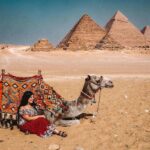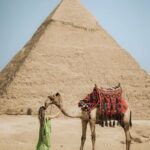

When people think of Egypt, iconic landmarks like the Pyramids of Giza, the Sphinx, Luxor Temple, and the crystal-clear waters of the Red Sea usually come to mind. While these attractions are undoubtedly spectacular, they represent only part of what makes Egypt such a fascinating destination.
Behind the famous monuments lies a vibrant culture shaped by thousands of years of history, warm hospitality, delicious cuisine, colorful traditions, and everyday experiences that many visitors never discover. Travelers who venture beyond the resort walls often find that the country’s greatest treasure is its people.
Whether you’re staying in Hurghada, Marsa Alam, Sharm El Sheikh, or Cairo, taking time to explore authentic Egyptian life will leave you with unforgettable memories. Companies like Best Tours Hurghada offer excursions that allow visitors to experience not only Egypt’s famous attractions but also its rich cultural heritage.
Egypt Beyond the Tourist Attractions
Luxury resorts along the Red Sea offer comfort, relaxation, and beautiful beaches. However, stepping outside these resorts opens the door to a completely different world.
Traditional markets buzz with life, local cafés fill with conversation over tea, fishermen return with their daily catch, and families gather in the evenings to enjoy meals together.
These authentic moments provide a deeper understanding of Egypt than any guidebook ever could.
Travelers who book cultural excursions with Best Tours Hurghada often discover places and experiences that remain hidden from the average tourist.
Egyptian Hospitality: A Tradition That Never Changes
One of the first things visitors notice is the incredible hospitality of Egyptian people.
Guests are treated with genuine kindness, whether visiting a local home, shopping in a village, or enjoying tea in a small café.
It’s common to hear locals say:
“Welcome to Egypt.”
This isn’t simply a polite greeting—it reflects a long-standing cultural tradition of generosity toward visitors.
Many travelers are surprised by how willing Egyptians are to share stories, recommend local dishes, or simply chat about everyday life.
Daily Life in Egypt
Life moves differently depending on where you are.
In major cities like Cairo and Alexandria, mornings begin early with busy streets, markets, schools, and offices.
In smaller towns and villages, life follows a slower rhythm.
Typical daily activities include:
- Visiting neighborhood bakeries
- Shopping at local fruit markets
- Sharing tea with friends
- Afternoon family gatherings
- Evening walks after sunset
- Community celebrations
The cooler evening temperatures encourage people to spend time outdoors, making public squares and cafés lively social spaces.
Traditional Egyptian Markets
No cultural experience is complete without exploring a traditional market.
Known as souks or bazaars, these markets are full of:
- Handmade souvenirs
- Colorful textiles
- Spices
- Perfumes
- Jewelry
- Fresh produce
- Traditional clothing
Shopping here is more than a transaction—it’s a social experience. Friendly bargaining is common and often accompanied by conversation and laughter.
Many guided city tours offered by Best Tours Hurghada include visits to authentic local markets, where travelers can shop while learning about Egyptian traditions.
Egyptian Cuisine: A Journey of Flavors
Food plays a central role in Egyptian culture.
Traditional meals are often shared with family and friends, reflecting the importance of community and hospitality.
Some of the most popular Egyptian dishes include:
Koshari
Egypt’s national dish combines rice, pasta, lentils, chickpeas, tomato sauce, crispy onions, and garlic vinegar.
Affordable, filling, and delicious, Koshari is loved by locals across the country.
Ful Medames
One of Egypt’s oldest dishes, Ful Medames consists of slow-cooked fava beans seasoned with olive oil, lemon, cumin, and herbs.
It is commonly enjoyed for breakfast.
Taameya
Often compared to falafel, Egyptian Taameya is made from fava beans instead of chickpeas, giving it a unique flavor and texture.
Served fresh with salad and bread, it’s a favorite street food.
Molokhia
A traditional green soup prepared with finely chopped jute leaves, garlic, and coriander.
It is usually served with rice and chicken or rabbit.
Grilled Seafood
Along the Red Sea coast, freshly caught fish, shrimp, squid, and lobster are daily specialties.
Dining at a local seafood restaurant is one of the best ways to experience coastal Egyptian culture.
Egyptian Tea and Coffee Culture
Tea is more than a beverage in Egypt—it is part of everyday social life.
People gather in cafés to enjoy:
- Black tea with mint
- Turkish coffee
- Hibiscus tea
- Fresh sugar cane juice
- Herbal infusions
Conversations can last for hours as friends and families relax together.
Visitors often find these simple moments among their favorite travel memories.
Festivals and Celebrations
Egyptians love celebrating together.
Throughout the year, visitors may witness:
- Religious festivals
- Wedding processions
- Traditional music
- Cultural performances
- Local markets during holidays
These events showcase colorful clothing, regional customs, and centuries-old traditions.
Respectfully observing or participating in local celebrations provides an unforgettable cultural experience.
Traditional Music and Dance
Music is woven into Egyptian life.
Traditional instruments include:
- Oud
- Tabla (drum)
- Ney flute
Dance performances often feature:
- Tanoura spinning dancers
- Folklore shows
- Bedouin music
- Nubian performances
Many desert safari experiences organized by Best Tours Hurghada include authentic evening entertainment with local music, dance, and traditional dinners.
Visiting a Bedouin Village
One of the most rewarding cultural experiences near Hurghada is visiting a Bedouin community.
Here, visitors can:
- Learn about desert life
- Drink traditional Bedouin tea
- Ride camels
- Bake traditional bread
- Watch the sunset over the mountains
- Enjoy local storytelling
These experiences highlight a lifestyle that has remained remarkably connected to the desert environment for generations.
Life Along the Nile
Away from the busy tourist sites, life along the Nile follows traditions that have existed for centuries.
Farmers cultivate fertile land, fishermen cast their nets at sunrise, and colorful boats glide across the river.
Taking a Nile cruise or visiting rural villages allows travelers to appreciate a quieter side of Egypt rarely seen in travel brochures.
Local Crafts and Handmade Products
Egypt has a long tradition of craftsmanship.
Popular handmade products include:
- Alabaster carvings
- Papyrus artwork
- Handwoven carpets
- Copper decorations
- Leather goods
- Pottery
- Hand-blown glass
Buying directly from local artisans supports communities while providing unique souvenirs with cultural significance.
Respecting Local Customs
Understanding local customs helps visitors enjoy a more meaningful experience.
Simple guidelines include:
- Dress modestly when visiting religious sites.
- Ask permission before photographing people.
- Learn a few Arabic greetings.
- Accept tea if offered—it is a sign of hospitality.
- Respect local traditions during religious holidays.
These small gestures are always appreciated.
Authentic Experiences Beyond the Resort
Many travelers spend their entire vacation inside an all-inclusive hotel.
However, some of the most memorable experiences include:
- Exploring local neighborhoods
- Visiting family-owned restaurants
- Shopping in traditional markets
- Meeting local artisans
- Joining cooking experiences
- Taking village tours
- Enjoying cultural performances
Best Tours Hurghada offers excursions that combine sightseeing with authentic cultural encounters, giving visitors a deeper appreciation of Egyptian life.
Why Cultural Travel Creates Better Memories
While famous landmarks are essential parts of any Egyptian itinerary, cultural experiences create emotional connections that last long after the holiday ends.
Travelers often remember:
- Conversations with locals
- Homemade meals
- Sunset tea in the desert
- Laughter in village markets
- Fresh bread from a traditional bakery
- Music played around a campfire
These moments reveal the true spirit of Egypt.
Sustainable and Responsible Tourism
Choosing local guides, family-owned businesses, and cultural experiences benefits both visitors and local communities.
Responsible travelers can:
- Support local artisans
- Eat at independent restaurants
- Respect historical sites
- Reduce plastic waste
- Learn about local traditions
- Travel with experienced local operators
Companies like Best Tours Hurghada help connect visitors with authentic experiences while supporting responsible tourism throughout the region.
Final Thoughts
Egypt is far more than its ancient monuments. Its greatest treasures are found in everyday life—in welcoming smiles, bustling markets, flavorful cuisine, timeless traditions, and unforgettable conversations with local people.
Exploring the cultural side of Egypt transforms a simple vacation into a meaningful journey of discovery. Whether you’re sipping tea with Bedouins, wandering through colorful bazaars, tasting freshly prepared Koshari, or listening to traditional music under a desert sky, you’ll experience a side of Egypt that many tourists never see.
For travelers who want to combine iconic attractions with authentic local experiences, Best Tours Hurghada offers carefully organized excursions that go beyond the ordinary. By discovering both Egypt’s famous landmarks and its vibrant culture, you’ll return home with memories that last a lifetime.