

Tourism is one of the most influential industries worldwide. Moreover, it plays a crucial role not only in the economy but also in culture, social development, and education. People travel for a variety of reasons: leisure, adventure, learning, or health purposes. As a result, tourism has become a fundamental part of human society, shaping economies, lifestyles, and even international relationships.
In this article, we will explore what tourism is, its history, the various types of tourism, its significance for the global economy, and the benefits it brings to travelers and communities alike. Additionally, we will discuss current trends, provide practical tips for travelers, and answer the most frequently asked questions about tourism.
What is Tourism?
Definition of Tourism
Tourism refers to the activities of people traveling outside their usual environment for leisure, business, education, or other purposes for a temporary period. However, it does not include permanent relocation or employment in the destination.
In addition, the World Tourism Organization (UNWTO) defines tourism as “the activities of persons traveling to and staying in places outside their usual environment for not more than one consecutive year for leisure, business, and other purposes.” Therefore, tourism encompasses transportation, accommodation, recreation, and other services that facilitate travel.
A Brief History of Tourism
Tourism is far from a modern invention. Historically, people traveled for religious, educational, and commercial purposes. For example, in ancient Egypt, Greece, and Rome, individuals visited holy sites, natural wonders, and cultural landmarks. Moreover, pilgrimage routes and trade journeys contributed significantly to the early development of tourism.
However, the modern tourism industry emerged during the 19th century when transportation innovations, such as railways and steamships, made travel accessible to broader segments of society. As a result, the first organized travel agencies were established, providing guided tours, itineraries, and accommodations.
Types of Tourism
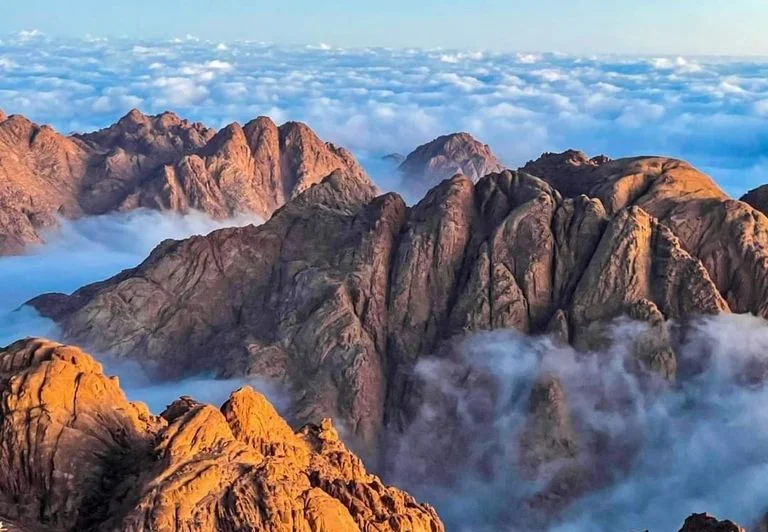
Tourism is highly diverse, catering to different interests, age groups, and goals. Below are the main types:
1. Leisure Tourism
Leisure tourism is the most common form, focused on relaxation, entertainment, and recreation. In addition, it includes beach vacations, mountain retreats, countryside escapes, and spa resorts. Consequently, travelers can rejuvenate physically and mentally while exploring new places.
2. Cultural Tourism
Cultural tourism involves exploring heritage, arts, local traditions, and historical sites. Moreover, this type of tourism allows travelers to gain deeper insights into the history and lifestyle of the regions they visit. As a result, trips become not only recreational but also educational experiences.
3. Adventure and Active Tourism
Adventure tourism targets thrill-seekers and includes activities such as hiking, mountain climbing, scuba diving, and extreme sports. In addition, this form of tourism promotes physical fitness, resilience, and a sense of accomplishment. Therefore, adventure tourism continues to grow in popularity among young travelers.
4. Health and Wellness Tourism
Health tourism focuses on well-being, including spa retreats, medical procedures, and therapeutic treatments. Moreover, wellness travel combines physical exercise, nutrition, and mental relaxation to improve overall health. Consequently, travelers can merge leisure with self-care.
5. Business Tourism
Business tourism, also known as MICE (Meetings, Incentives, Conferences, and Exhibitions) tourism, involves travel for work-related purposes. However, participants often combine professional engagements with sightseeing and leisure activities. As a result, business travel contributes significantly to the tourism industry while promoting international collaboration.
6. Eco-Tourism
Eco-tourism emphasizes responsible travel, environmental conservation, and support for local communities. Moreover, eco-tourists prioritize sustainability, choosing eco-friendly accommodations, low-impact transport, and community-based experiences. Therefore, this type of tourism fosters environmental awareness and cultural preservation.
The Economic Significance of Tourism
Tourism is a major driver of the global economy. In addition to generating revenue from accommodations, transportation, dining, and attractions, tourism also creates jobs in countless sectors, from hospitality to local crafts.
Moreover, governments actively support tourism development to boost regional economies, promote infrastructure, and attract foreign investment. As a result, tourism has a multiplier effect, benefiting multiple industries and contributing to long-term economic growth.
Social Benefits of Tourism
Tourism is not just economically beneficial; it also provides substantial social value:
- Cultural Exchange: Travelers gain understanding and appreciation of other cultures.
- Education: Tourism fosters knowledge through museums, historical sites, and guided tours.
- Community Building: Travel strengthens social bonds among families and groups.
Furthermore, tourism encourages local communities to maintain traditions, arts, and heritage, preserving cultural identity for future generations.
Current Trends in Tourism
1. Sustainable and Responsible Travel
Sustainable tourism is gaining traction, with travelers increasingly seeking environmentally responsible options. In addition, hotels, resorts, and tour operators are adopting green practices, such as renewable energy, waste reduction, and ethical wildlife experiences.
2. Technology in Tourism
Digital tools have transformed how people plan and experience travel. For example, mobile apps, online booking platforms, virtual tours, and AI-assisted itineraries make travel faster, more efficient, and accessible. As a result, technology enhances convenience while personalizing travel experiences.
3. Experiential Tourism
Travelers now seek authentic experiences rather than merely visiting landmarks. Moreover, experiential tourism includes cooking classes, cultural workshops, and local festivals. Consequently, this trend encourages deeper engagement with destinations.
4. Health and Wellness Travel
As wellness awareness grows, health-focused tourism continues to expand. In addition to spa and fitness retreats, medical tourism, preventive care, and mindfulness programs attract travelers seeking holistic well-being.
5. Flexible and Personalized Travel
Modern travelers demand flexibility, opting for tailor-made trips, remote work options, and off-season travel. Moreover, personalization ensures that itineraries match individual interests, maximizing satisfaction and value.
Practical Tips for Travelers

- Plan Ahead: Early planning reduces stress and increases options for accommodations, transportation, and activities.
- Budget Wisely: Allocate funds for essentials, experiences, and emergencies to enjoy a worry-free trip.
- Research Destinations: Learn about local customs, regulations, and attractions to avoid surprises.
- Prioritize Safety: Choose reputable services, obtain insurance, and follow safety guidelines.
- Respect Local Culture: Engage respectfully with communities, traditions, and the environment.
Furthermore, staying flexible allows travelers to adapt to unexpected events or opportunities, enhancing the overall experience.
FAQ – Frequently Asked Questions About Tourism
1. Why is tourism important for the global economy?
Tourism generates income, creates jobs, attracts investment, and supports local industries, boosting economic growth worldwide.
2. What are the main types of tourism?
Tourism includes leisure, cultural, adventure, wellness, business, and eco-tourism, among others.
3. How can tourism benefit local communities?
Tourism supports jobs, preserves cultural heritage, encourages sustainable practices, and strengthens community identity.
4. How can travelers ensure responsible tourism?
By choosing eco-friendly options, respecting local culture, minimizing environmental impact, and supporting community-based initiatives.
5. What trends are shaping modern tourism?
Sustainable travel, experiential tourism, digital solutions, wellness travel, and personalized itineraries are the main trends.
Conclusion
Tourism is far more than leisure—it is a driver of economic growth, social development, and cultural understanding. Moreover, it allows travelers to explore the world, gain knowledge, and create lasting memories.
In addition, modern tourism is increasingly sustainable, technologically advanced, and personalized, offering a wide range of experiences for diverse travelers. Therefore, whether for leisure, education, wellness, or adventure, tourism remains a vital and dynamic part of the modern world.
As a result, both travelers and local communities benefit immensely, making tourism an essential element of global interaction and personal enrichment.