Introduction: The Rise of Sustainable Travel in Hurghada
Hurghada, Egypt’s Red Sea gem, has long been a top destination for travelers seeking sun, sea, and adventure. With its golden beaches, turquoise waters, and vibrant coral reefs, it’s easy to see why millions flock here every year. However, as tourism grows, so does the need for awareness and action to protect this delicate ecosystem.
That’s where sustainable travel in Hurghada comes in — a movement focused on preserving the natural beauty of the Red Sea while supporting local communities. From eco lodges to coral reef restoration projects and responsible diving tours, Hurghada is becoming a leading example of how tourism and environmental stewardship can coexist.
In this guide, we’ll explore how you can make your trip both unforgettable and eco-conscious. We’ll share practical tips, eco-friendly activities, and ways to ensure your journey supports the environment and the local people who make Egypt’s Red Sea coast so special.
1. Understanding Sustainable Travel in Hurghada
Sustainable travel is about minimizing negative impacts and maximizing positive contributions — to nature, culture, and the economy. In Hurghada, this means enjoying your holiday while helping to:
- Protect coral reefs and marine life.
- Reduce plastic pollution on beaches and in the sea.
- Support local businesses instead of mass-tourism chains.
- Respect the cultural traditions of Egyptian communities.
By choosing eco tours in Hurghada, you’re not just exploring the Red Sea; you’re also helping preserve its breathtaking underwater world for generations to come.
2. The Red Sea’s Fragile Beauty: Why Responsible Travel Matters
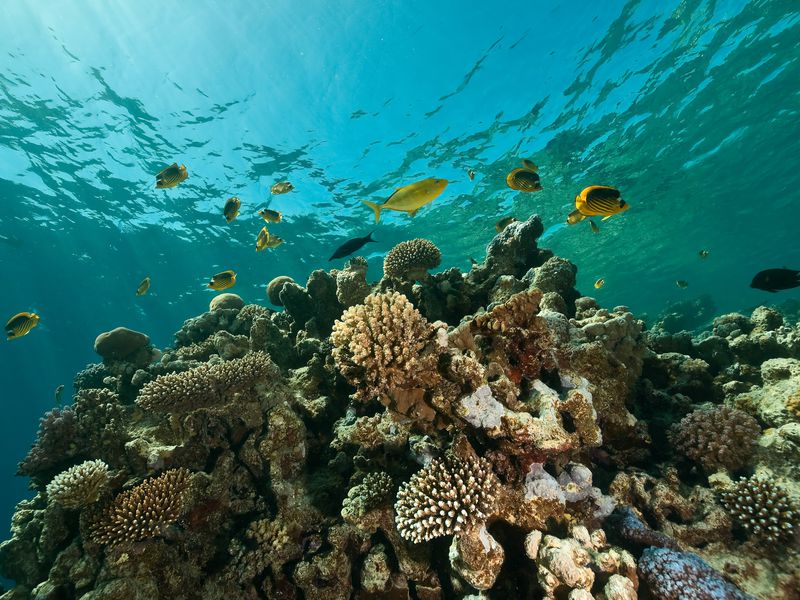
The Red Sea is one of the most biodiverse marine ecosystems on Earth, home to over 1,000 species of fish and 200 species of coral. Yet, this beauty is under constant threat from pollution, climate change, and irresponsible tourism.
Unsustainable practices — such as touching corals, feeding fish, or anchoring boats directly on reefs — can cause long-term damage. Even sunscreen chemicals can harm marine life.
That’s why responsible travel in Egypt isn’t just a trend; it’s a necessity. Every small step you take toward sustainability helps preserve this natural wonder.
3. Eco-Friendly Accommodation in Hurghada
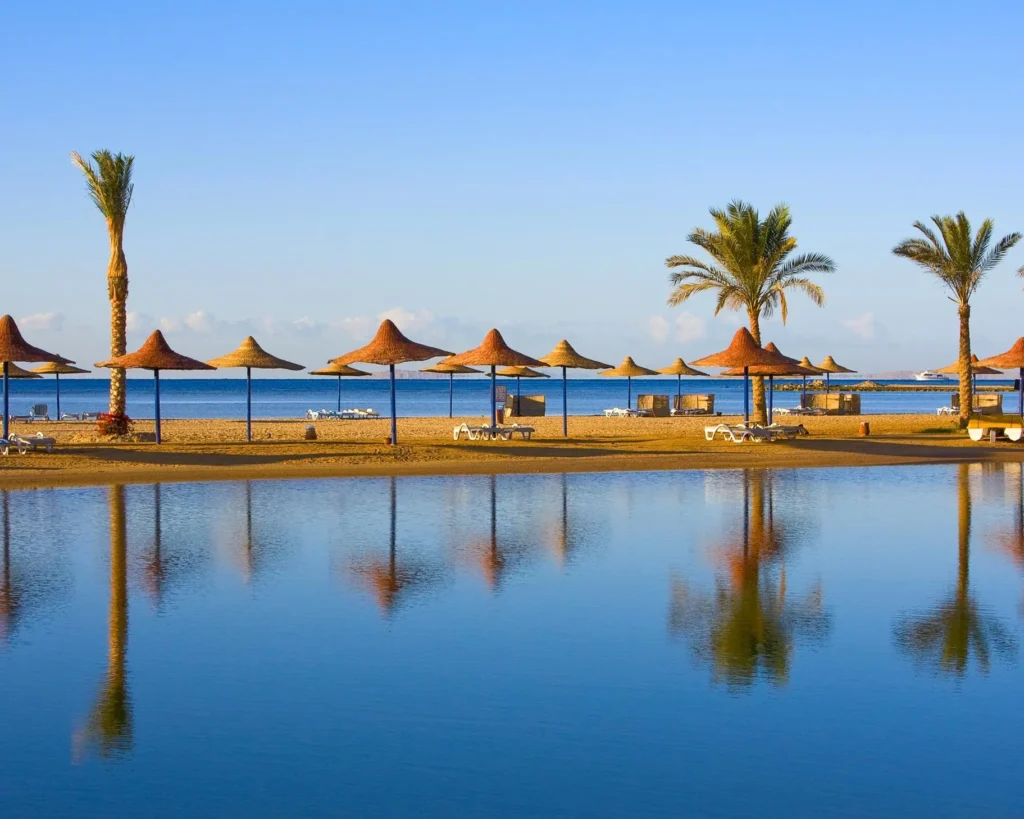
If you’re planning a sustainable travel experience in Hurghada, start with where you stay. Many hotels and resorts are now adopting green initiatives, such as solar energy, water conservation systems, and eco-conscious architecture.
Top eco-friendly resorts and lodges:
- The Oberoi Sahl Hasheesh – Built with sustainability in mind, it minimizes energy waste and promotes coral protection programs.
- Sheraton Soma Bay Resort – Offers eco-certified operations and supports local employment.
- Lazuli Resort Marsa Alam – Known for its use of renewable energy and eco-tours.
When booking, look for certifications like Green Key, Travelife, or EarthCheck, which guarantee that a resort follows recognized sustainability standards.
4. Eco Tours in Hurghada: Explore with a Purpose
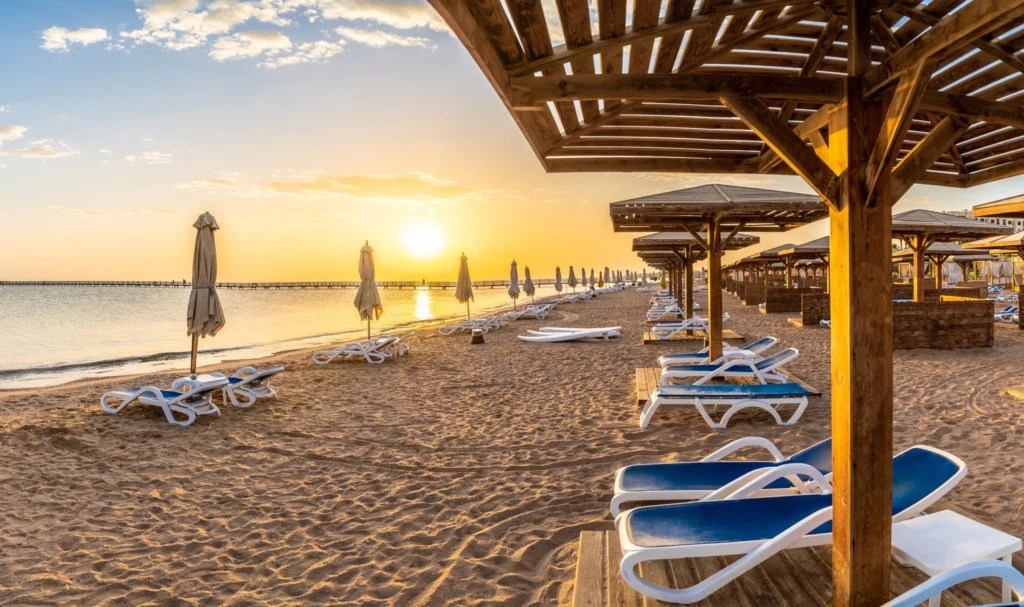
One of the best ways to enjoy eco tours in Hurghada is to explore its natural wonders responsibly. Whether you’re snorkeling, diving, or riding through the desert, you can do it in a way that protects the environment.
a) Snorkeling and Diving with Eco Operators
Join certified dive centers such as Blue Planet Divers or Scuba Hurghada, which focus on reef-friendly practices. They use mooring buoys instead of anchors and educate divers about marine conservation.
Tips for eco-friendly snorkeling and diving:
- Never touch or stand on coral.
- Use reef-safe sunscreen.
- Avoid feeding fish or collecting shells.
- Keep a safe distance from marine life.
b) Dolphin Watching Tours
Watching dolphins in their natural habitat is a highlight of any Red Sea trip. Choose ethical dolphin tours that follow rules for animal safety, such as keeping a respectful distance and limiting the number of boats.
c) Desert Eco Adventures
Hurghada isn’t just about the sea. The desert offers a different kind of beauty — and eco-conscious adventure. Choose solar-powered quad tours, camel treks, or bedouin village visits that promote cultural respect and minimize fuel consumption.
5. Coral Reef Preservation Projects
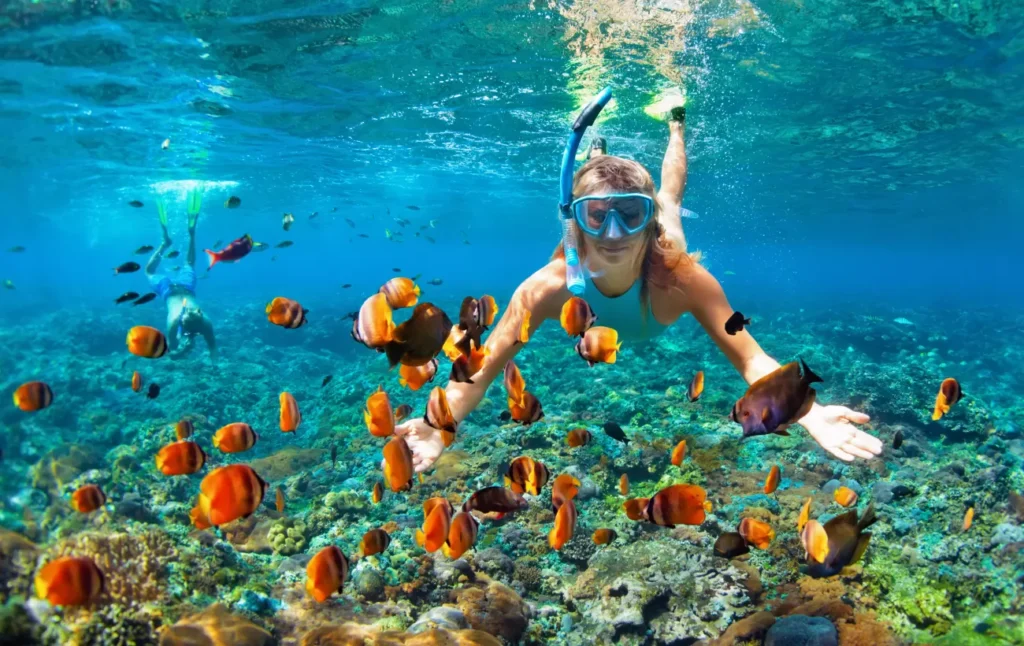
The coral reefs of the Red Sea are among the most resilient in the world, but they still need protection. Many local initiatives work tirelessly to restore damaged reefs and educate tourists.
Examples of local conservation efforts:
- HEPCA (Hurghada Environmental Protection and Conservation Association) – A non-profit that manages mooring systems, cleans beaches, and runs coral nurseries.
- Project Azraq – Focuses on educating tourists and divers about marine life protection.
When you choose responsible travel in Egypt, consider donating to these organizations or joining a volunteer program for a day. Even helping collect trash from a beach can make a difference.
6. Reduce Plastic Use During Your Stay
Plastic pollution is one of the biggest threats to the Red Sea. Single-use bottles, straws, and bags often end up in the water, harming marine life.
Eco-friendly alternatives:
- Bring a reusable water bottle with a built-in filter.
- Say no to plastic straws; use metal or bamboo ones instead.
- Pack a reusable shopping bag for local markets.
Many sustainable hotels now offer refill stations for drinking water — a small but powerful step toward reducing waste.
7. Supporting Local Communities
Responsible travel in Hurghada isn’t only about protecting nature — it’s also about uplifting local people. When you buy local crafts, eat in family-run restaurants, or hire local guides, your money stays in the community.
Ways to travel responsibly:
- Visit Hurghada’s Old Town (El Dahar) for authentic souvenirs instead of imported goods.
- Eat at local Egyptian restaurants serving traditional dishes like koshari, falafel, and grilled seafood.
- Take a cultural tour to a Bedouin village to learn about their traditions and support local artisans.
Every conscious choice contributes to a more sustainable economy and helps locals benefit directly from tourism.
8. Responsible Water and Energy Use
Egypt is one of the world’s driest countries, so conserving water is essential. Tourists can play a part by being mindful of their consumption.
Simple actions make a big impact:
- Take shorter showers.
- Turn off lights and air conditioning when leaving your room.
- Avoid unnecessary towel changes at hotels.
Many eco lodges in Hurghada are already implementing solar energy systems and low-flow water fixtures — a sign that sustainability is becoming part of Egypt’s tourism culture.
9. Cultural Awareness: The Heart of Responsible Travel
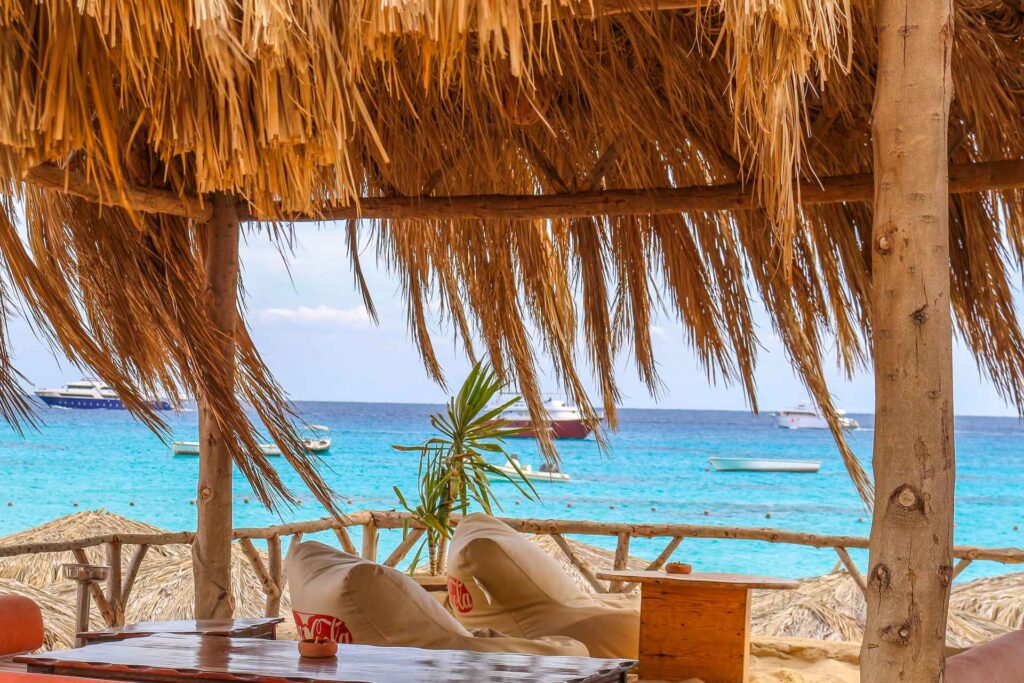
Part of sustainable travel in Hurghada is understanding and respecting Egyptian culture. Simple gestures of respect go a long way toward creating positive exchanges with locals.
Cultural etiquette tips:
- Dress modestly when outside resorts or visiting mosques.
- Ask permission before taking photos of people.
- Learn a few Arabic phrases — it’s appreciated!
- Respect prayer times and local customs during Ramadan.
By showing cultural sensitivity, you enhance your experience and support the idea of authentic, responsible travel in Egypt.
10. Sustainable Souvenirs: What to Buy (and Avoid)
When shopping in Hurghada’s markets or bazaars, it’s tempting to buy coral jewelry or seashells — but these often come from unsustainable sources.
Buy:
- Handcrafted textiles, pottery, and natural oils.
- Locally made jewelry from recycled materials.
- Organic Egyptian cotton or papyrus art.
Avoid:
- Coral, starfish, or sea turtle shells.
- Animal-skin products.
Supporting ethical crafts keeps the environment safe and promotes traditional skills among local artisans.
11. Green Transportation: Getting Around Sustainably
Hurghada’s infrastructure continues to improve, and there are eco-friendlier ways to move around.
- Walk or cycle short distances within your resort area.
- Use shared shuttles or electric vehicles where available.
- Combine multiple attractions in one day to reduce travel emissions.
For longer trips, consider eco-certified tour operators who group travelers and use fuel-efficient vehicles.
12. How to Be a Conscious Traveler in Hurghada
Here’s a summary of the best practices for responsible travel in Egypt:
✅ Choose eco-friendly accommodation and tour operators.
✅ Respect local wildlife and marine life.
✅ Minimize plastic waste.
✅ Support local communities through shopping and dining choices.
✅ Save energy and water whenever possible.
✅ Educate yourself about local culture and traditions.
Sustainable tourism isn’t about perfection — it’s about awareness and effort. Every mindful choice counts.
13. Future of Sustainable Travel in Hurghada
The Egyptian government and private sector are investing heavily in sustainable tourism projects. Initiatives like renewable energy resorts, coral restoration, and eco-marine parks are shaping the future of eco tours in Hurghada.
In the next decade, Egypt aims to become one of the top eco-conscious destinations in the Middle East — where travelers enjoy the natural beauty of the Red Sea while helping to protect it.
Conclusion: Travel with Purpose
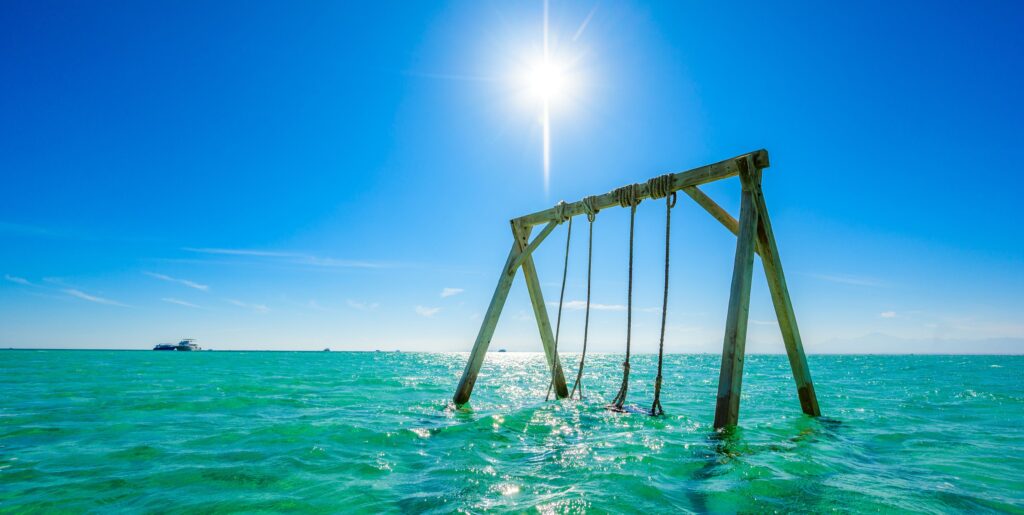
Hurghada is more than just a holiday destination — it’s a gateway to the magnificent underwater world of the Red Sea and a growing hub for sustainable travel in Egypt.
By choosing eco tours in Hurghada, supporting local communities, and respecting the environment, you contribute to the preservation of this paradise. Every responsible traveler helps ensure that future generations can still dive into crystal-clear waters, meet playful dolphins, and admire vibrant coral gardens.
When you travel sustainably, you don’t just see the world — you protect it. 🌍💙